
Organic Social Media Strategy: Why Showing Up Still Matters
Category:
Author:
Most businesses know they should be posting on social media.
Fewer can clearly answer the more important question: what is social media supposed to do for your brand?
For some companies, organic social becomes a box to check. A holiday post here. A service reminder there. A team photo when someone remembers to take one. The page is technically active, but it is not really helping the brand build trust, tell a story, or move people closer to action.
Organic social media should do more than prove your business still exists.
It should help people understand who you are, what you offer, what you care about, and why they should trust you.
“Organic vs. Paid Social: Building a Consistent Content Strategy”
What Is Organic Social Media?
Organic social media is the unpaid content a business shares on platforms like Facebook, Instagram, LinkedIn, and TikTok to connect with its audience, build brand awareness, answer common questions, show proof, and stay visible between larger marketing campaigns.
Unlike paid social media, organic social does not rely on ad spend to reach people. Instead, it helps your business stay active and recognizable with the audience already connected to your brand, while also giving new visitors a clearer picture of who you are.
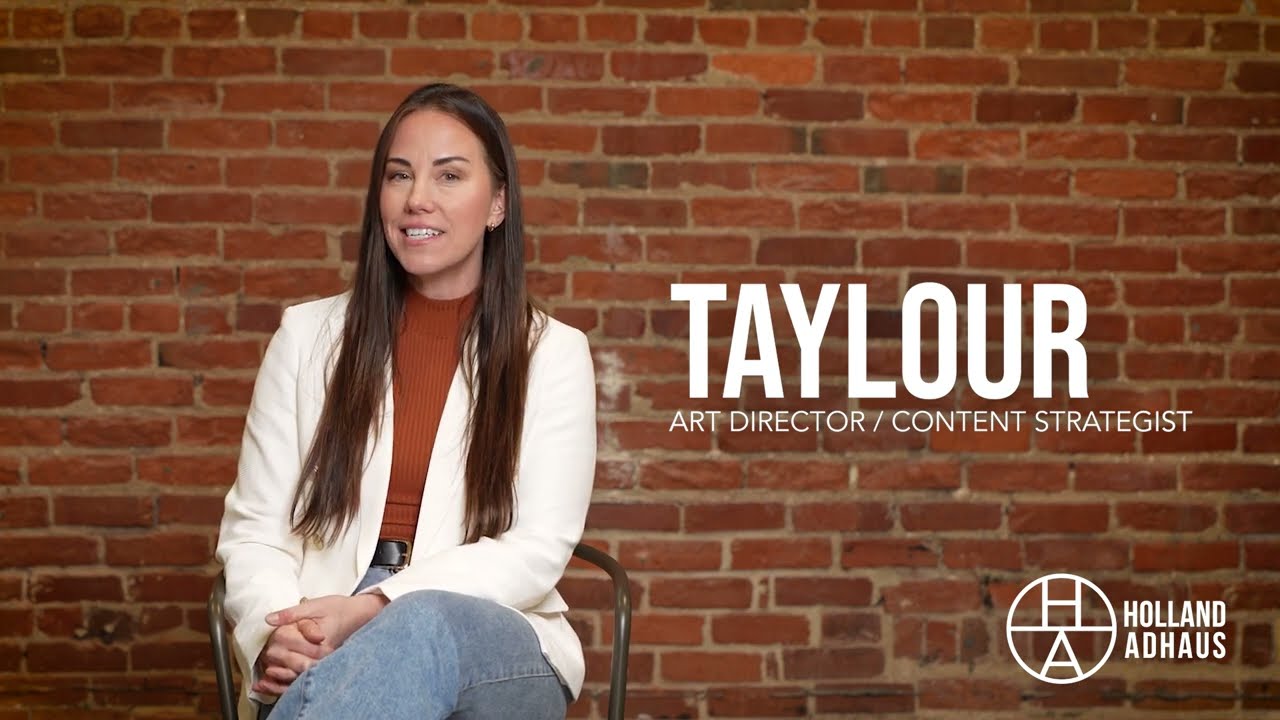
In the video above, Taylor, Art Director and Content Strategist at Holland Adhaus, shares a quick breakdown of what organic social is, how it differs from paid social, and why a thoughtful content calendar matters.
Why Is Organic Social Media Important?
Organic social media is important because people often use your social presence to validate your business.
Before someone fills out a form, books a consultation, visits your store, applies for a job, or calls your team, there is a good chance they will look you up online. That search may start on Google, but it often continues on social media.
People want to know:
- Are you active?
- Are you credible?
- Do you understand your audience?
- Does your brand feel current?
- What kind of work do you do?
- How do you communicate?
- Do you seem like a company they can trust?
That is where organic social plays an important role.
It may not always be the final conversion point, but it is often part of the decision-making process. A consistent social presence can reinforce confidence, answer questions, show personality, and make your business feel more approachable.
How Does Organic Social Support Brand Trust?
Your website is important, but it is usually more polished and permanent. Social media gives your brand room to be more current, conversational, and human.
It is where people can see what is happening now.
- A recent project.
- A customer review.
- A behind-the-scenes moment.
- A helpful tip.
- A team milestone.
- A community event.
- A common question your customers keep asking.
These moments may seem small on their own, but together they create a fuller picture of your brand.
That matters because people rarely make decisions based on one touchpoint. They build familiarity over time. Organic social gives your audience repeated opportunities to see you, understand you, and remember you.
What Should Businesses Post on Organic Social Media?
Businesses should post a balanced mix of content that educates, builds trust, shows personality, and supports the larger marketing strategy.
That could include:
- Educational tips
- Frequently asked questions
- Behind-the-scenes content
- Employee spotlights
- Customer reviews
- Project highlights
- Product or service features
- Community involvement
- Seasonal content
- Company updates
- Promotions or special offers
- Short-form videos
The goal is not to make every post sell. In fact, if every post is promotional, people are more likely to tune out.
A strong organic social strategy gives your audience a reason to keep paying attention before they are ready to buy, book, visit, or reach out.
How Does Organic Social Work With Paid Social
Organic social and paid social are often treated as separate efforts, but they work best together.
Paid social helps your brand reach people who may not already know you. Organic social helps support what happens after they become curious.
For example, someone may see a paid ad and then click over to your profile. What they find there can either build confidence or create hesitation.
If your page is active, clear, helpful, and visually aligned with your brand, it can strengthen the message from the ad. If it looks outdated, inconsistent, or disconnected, it can weaken the impression you just paid to create.
That is why organic social is not just “free content.” It is part of the ecosystem that helps your marketing feel cohesive.
How Often Should Businesses Post on Social Media?
There is no perfect posting frequency for every business. The right cadence depends on your audience, your industry, your goals, and the resources you have available.
But consistency matters.
Posting three times one week and then disappearing for a month makes it harder for your audience to know what to expect from your brand. A more realistic and sustainable content calendar is usually better than an overly ambitious one that your team cannot maintain.
For many businesses, a strong starting point is a monthly content calendar that includes a mix of value-driven content, brand-building content, and promotional content.
The best calendar is not just full. It is intentional.
What Makes Organic Social Content Effective?
Effective organic social content has a clear purpose.
- Some posts build awareness.
- Some educate.
- Some show proof.
- Some create connection.
- Some support recruiting.
- Some drive traffic.
The goal is not to make every piece of content do everything. The goal is to create a balanced mix that supports the larger brand story.
Good content also feels like it belongs to your brand. The visuals, captions, tone, and topics should feel consistent with how your business wants to be known.
When organic content is thoughtful, it becomes useful. And when it is useful, people are more likely to engage with it, remember it, and come back for more.
Is Organic Social Media Still Worth It?
Yes. Organic social media is still worth it because it helps businesses stay visible, build trust, support paid campaigns, and create more touchpoints with current and future customers.
Organic reach may not be what it once was, but that does not mean organic social is no longer valuable. It still plays an important role in the customer journey.
People use social media to validate businesses. They want to see your work, your personality, your reviews, your team, and your values.
A strong organic presence can help answer questions before someone ever speaks to your team. It can reinforce your expertise. It can support recruitment. It can build familiarity. It can make your brand feel more human.
Organic social is not always the final step before conversion, but it is often one of the reasons someone feels confident enough to take that step.
The Bottom Line
Organic social media is not just about keeping your feed full. It is about keeping your brand present, recognizable, and connected to the people you want to reach.
It supports awareness.
It builds trust.
It gives your business a voice.
It helps people understand what makes you different.
And over time, it can help move your audience closer to action.
At Holland Adhaus, we help businesses create organic social strategies that feel intentional, on-brand, and connected to the bigger marketing picture.
Because showing up matters. But showing up with purpose matters more.
Ready to rethink your social media strategy?
Let’s talk about how your brand can show up with more consistency, creativity, and purpose.
Frequently Asked Questions About Organic Social Media
Q: What is organic social media?
A: Organic social media is unpaid content a business posts on platforms like Facebook, Instagram, LinkedIn, and TikTok to connect with its audience, build brand awareness, share helpful information, and strengthen trust over time.
Q: What is the difference between organic social and paid social?
Q: What is the difference between organic social and paid social?
A: Organic social is unpaid content shared through a brand’s social media channels. Paid social uses advertising dollars to reach a larger or more targeted audience, including people who may not already follow the business. Learn more here: https://hollandadhaus.com/organic-vs-paid-social-why-you-need-both-and-how-to-make-the-mix-work/
Q: Why does organic social media matter for businesses?
A: Organic social media matters because it helps businesses stay visible, build credibility, show personality, answer common questions, and support the customer decision-making process. Watch more here: https://www.youtube.com/watch?v=6JiJzY68xtE
Q: What should a business post on social media?
A: A business should post a mix of educational content, behind-the-scenes updates, customer proof, employee features, community involvement, service or product highlights, promotions, and answers to common customer questions.
Q: How often should a business post on social media?
A: The right posting frequency depends on the business, audience, and goals. In general, consistency matters more than volume. A realistic monthly content calendar is usually more effective than posting heavily for a short time and then going silent.
Q: Does organic social media help with sales?
A: Organic social media can support sales by building trust, keeping the brand top of mind, answering questions, and helping potential customers feel more confident before they take action. See more about the impact of organic social media here: https://www.youtube.com/watch?v=6JiJzY68xtE
Ready to rethink your social strategy?
Let’s build a strategy that helps you show up with more consistency, creativity, and purpose.